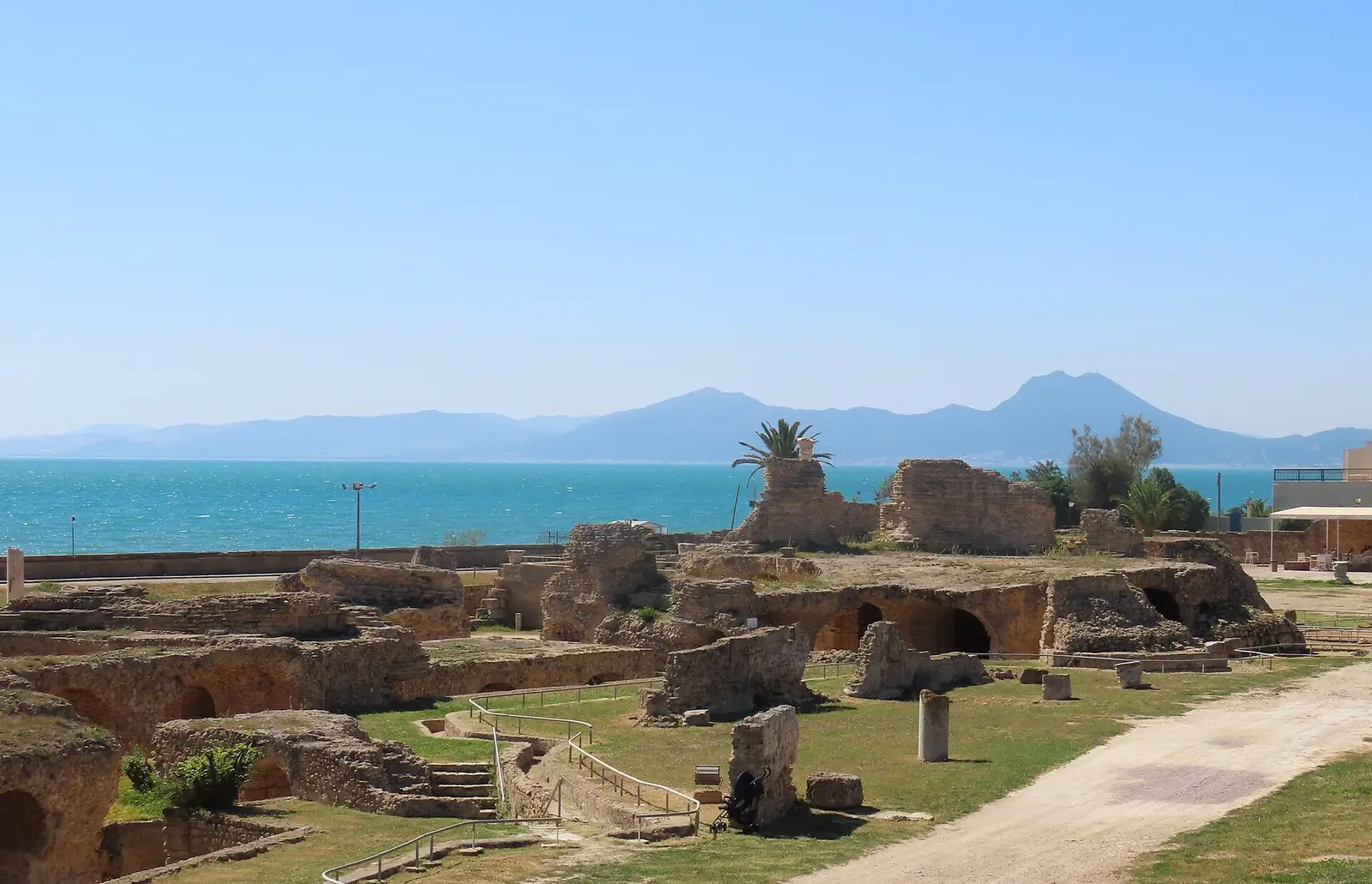
Carthage (Antonine Baths & Byrsa Hill)
Punic and Roman capital on the Gulf of Tunis
Carthage was founded by Phoenician settlers, traditionally in 814 BC, and became the capital of a Mediterranean empire until Rome destroyed it in 146 BC. The Romans later rebuilt it as the capital of their province of Africa. Today the ruins are scattered across a leafy suburb, so a visit means hopping between sites by car. The seafront Antonine Baths, built in the mid-2nd century AD, were the largest Roman baths in Africa. On Byrsa Hill, the Carthage National Museum and the remains of a Punic residential quarter give the best overview of the city's layout and history.
Highlights
- Antonine Baths on the seafront
- Byrsa Hill and the Carthage National Museum
- Punic quarter of Hannibal
- Roman villas park and theatre
- Tophet and the Punic ports
Best months to visit
Location
Nearby
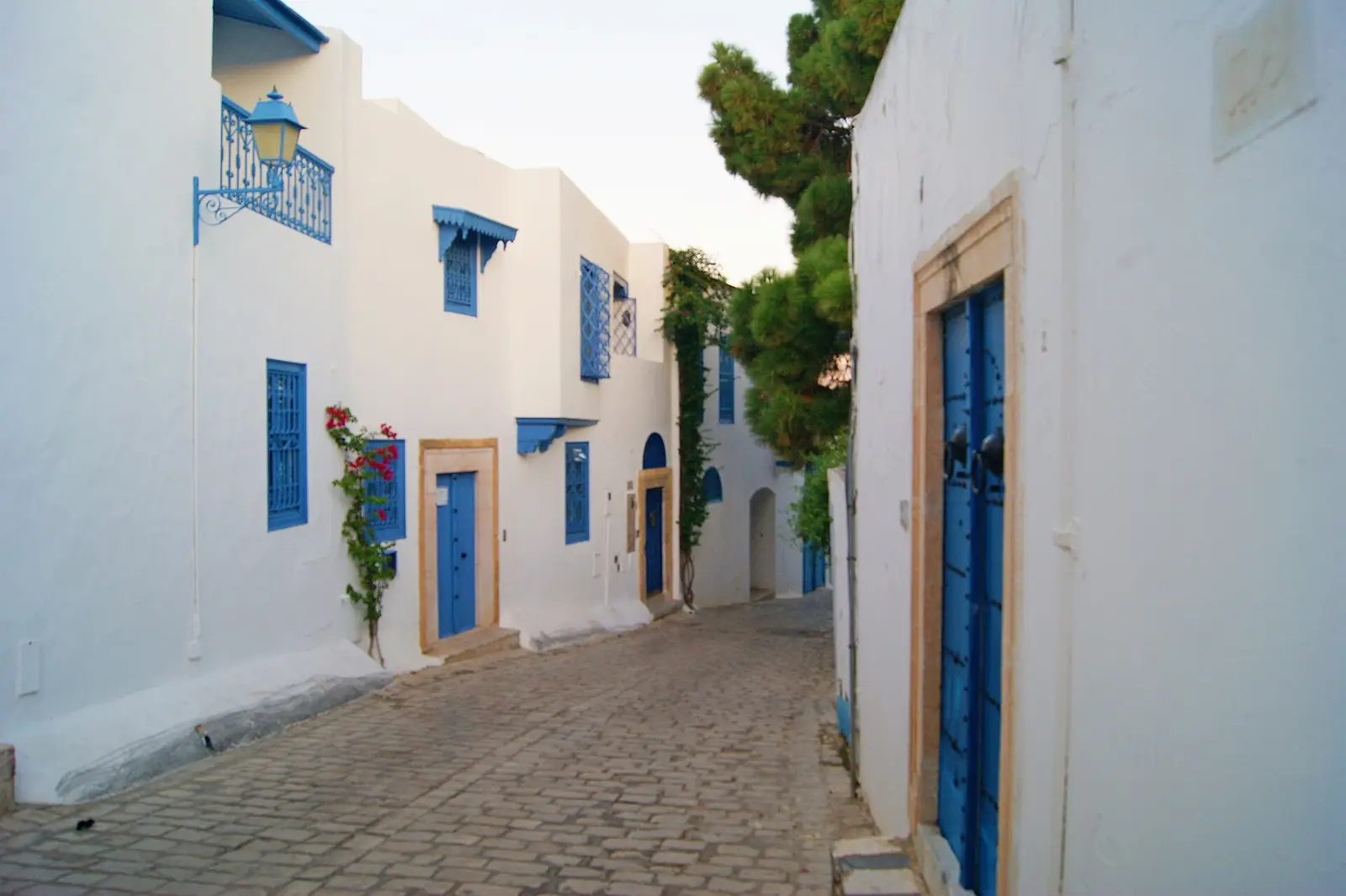
Sidi Bou Saïd
Blue-and-white clifftop village above the Gulf of Tunis
≈ 3 h on sitePrice on request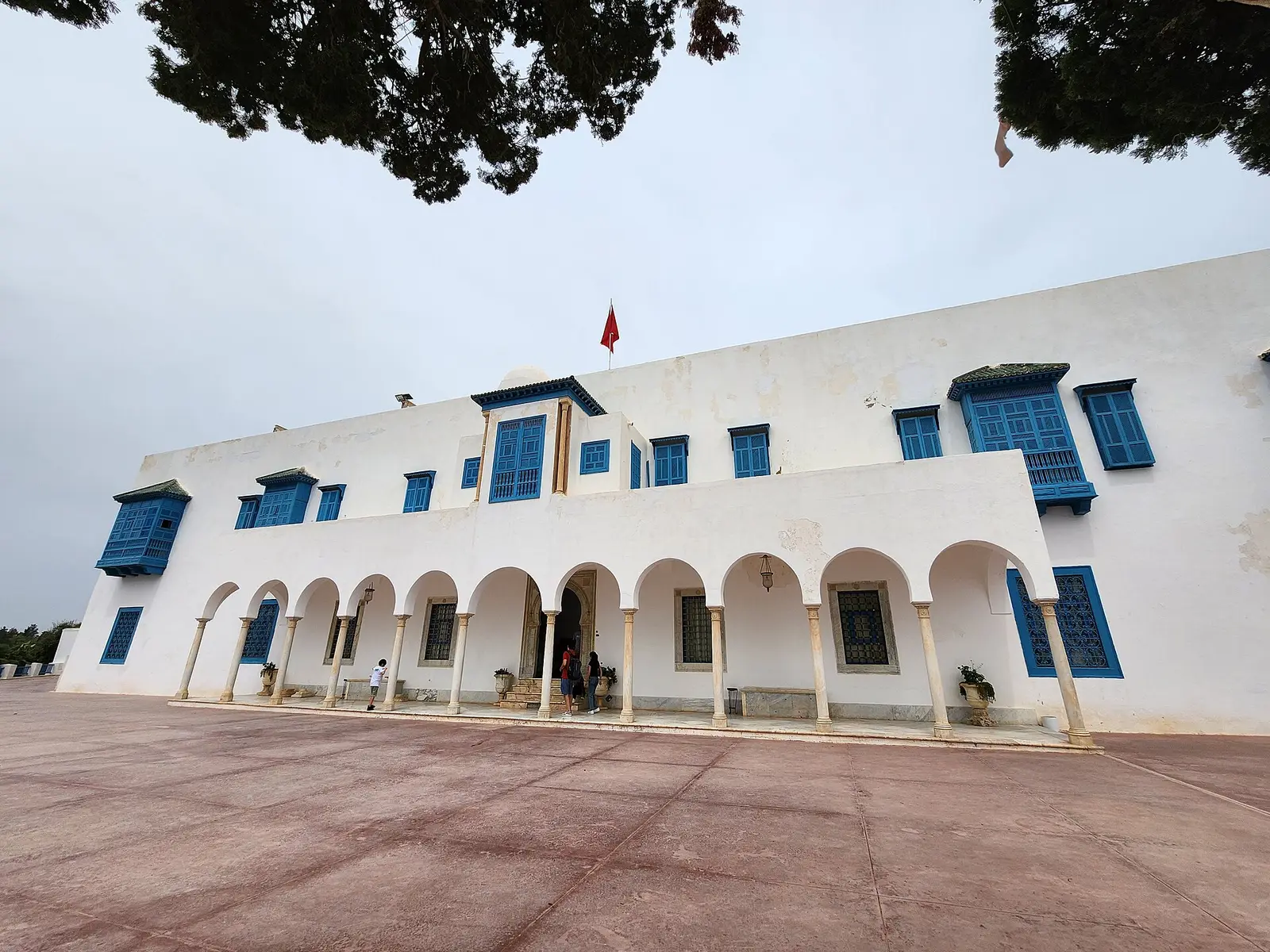
Ennejma Ezzahra Palace
Baron d'Erlanger's palace, now a centre for Arab music
≈ 1 h on sitePrice on request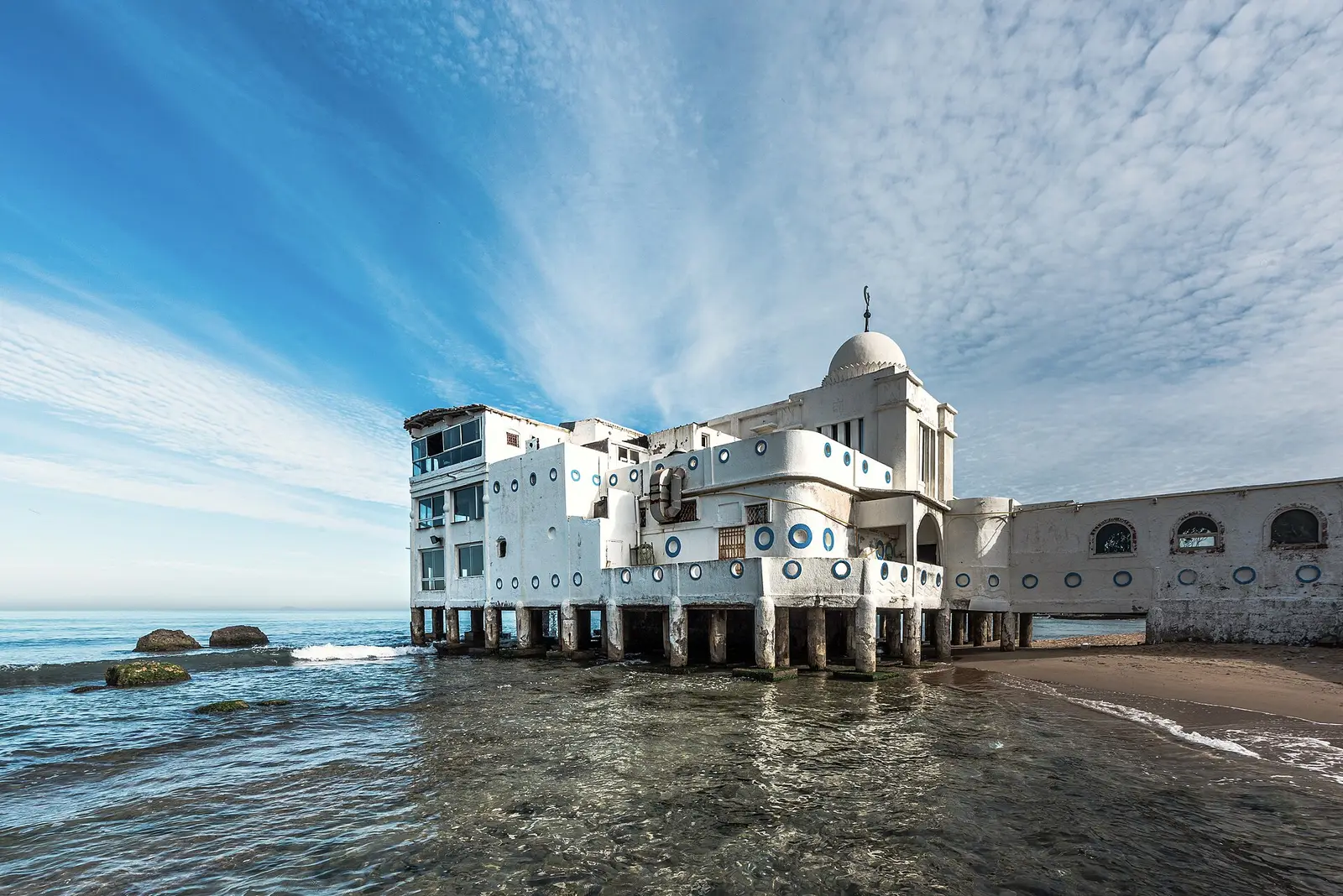
La Marsa & Gammarth beaches
Tunis's seaside suburbs: sandy bays, corniche cafés and fish
≈ 4 h on sitePrice on request